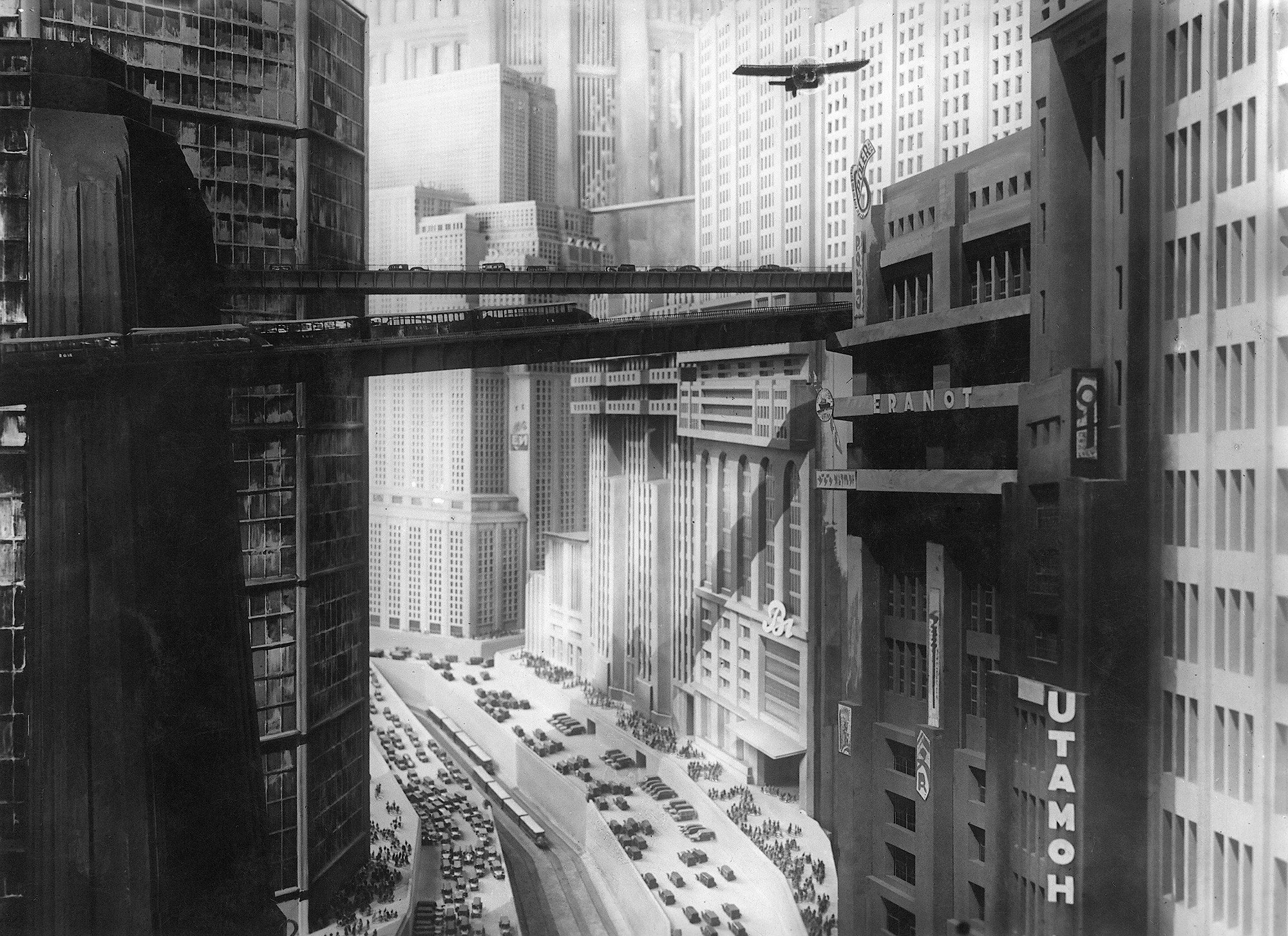
Studio Gamma investigates medium-density housing through five critical themes: Density, Intensity, Adaptation, Place, and Ecology. Working within Carlton's MacArthur Place, over three adjacent heritage properties, students design dwellings that reconcile urban intensification with ecological enhancement, heritage preservation with climate adaptation, and individual privacy with communal vitality.
READ MORE
Second iteration of the critical masters studio contesting Victoria's public housing demolition program, expanding to sites in both Fitzroy and Prahran with First Nations cultural advisors and returning 2024 cohort members as guest advisors.
READ MORE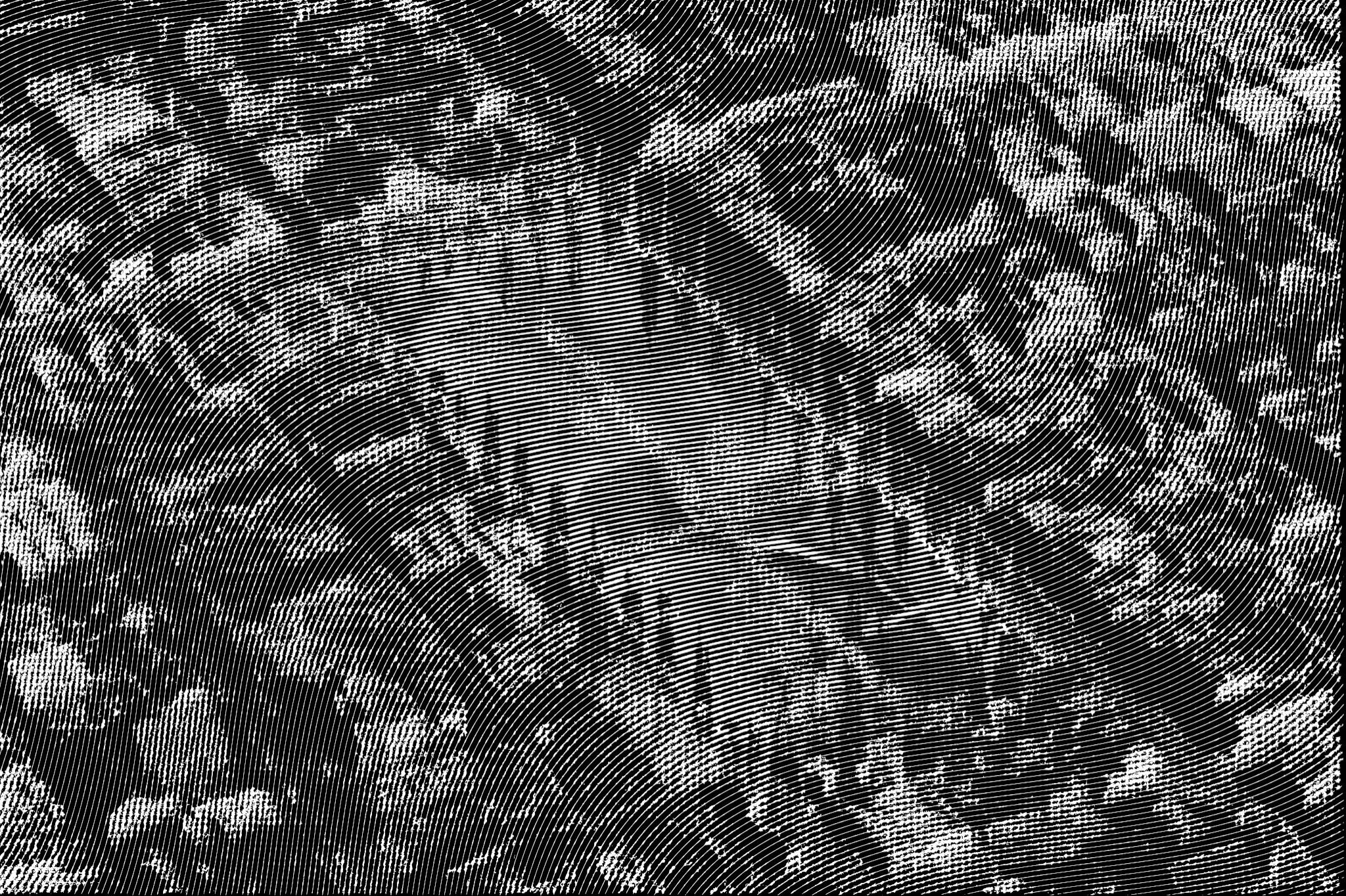
Ongoing research and data collection into Victoria's housing delivery systems in affordable and social housing (ASH).
READ MORE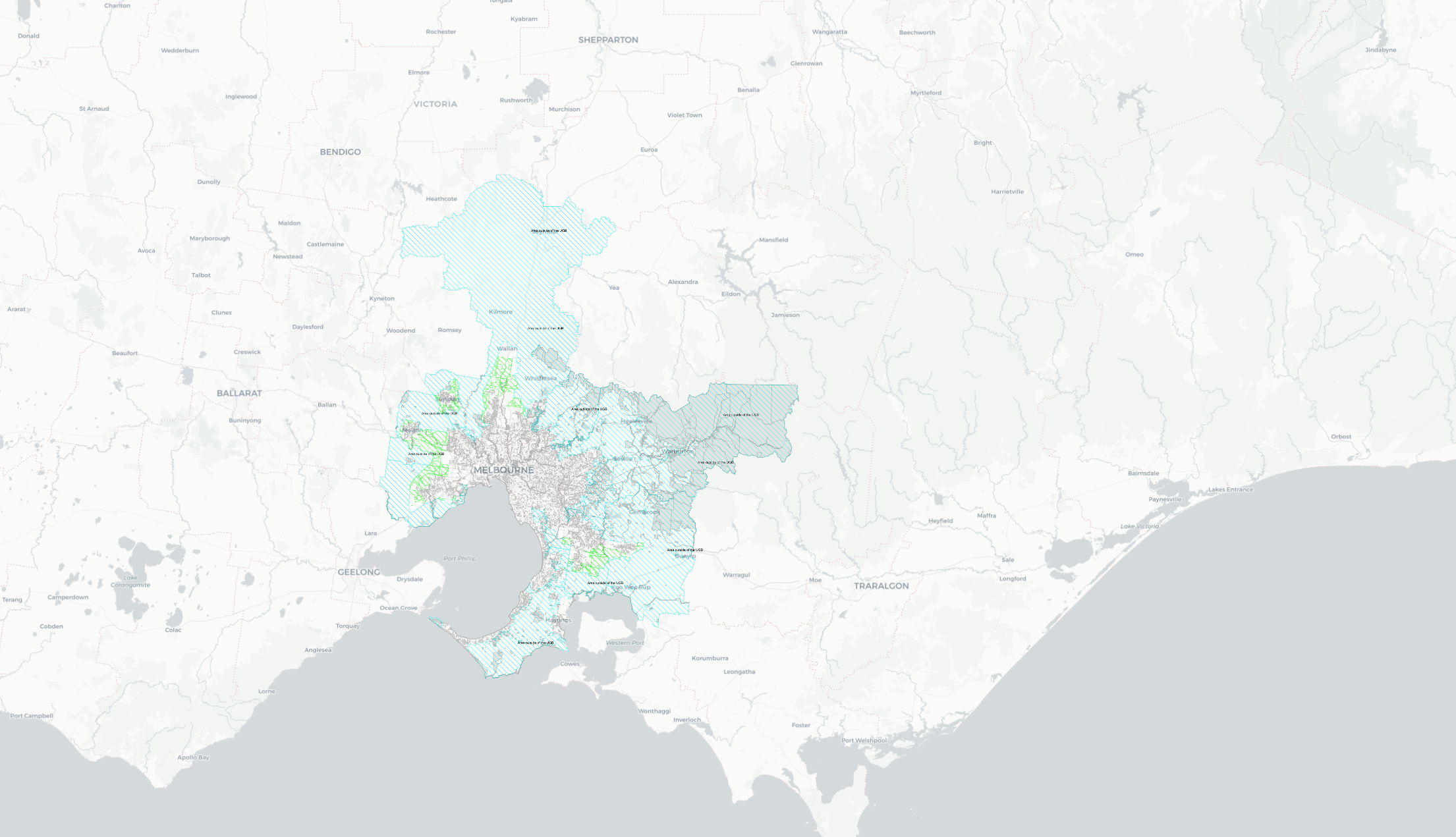
Postgraduate elective examining how architecture intersects and is captured by spectacle.
READ MORE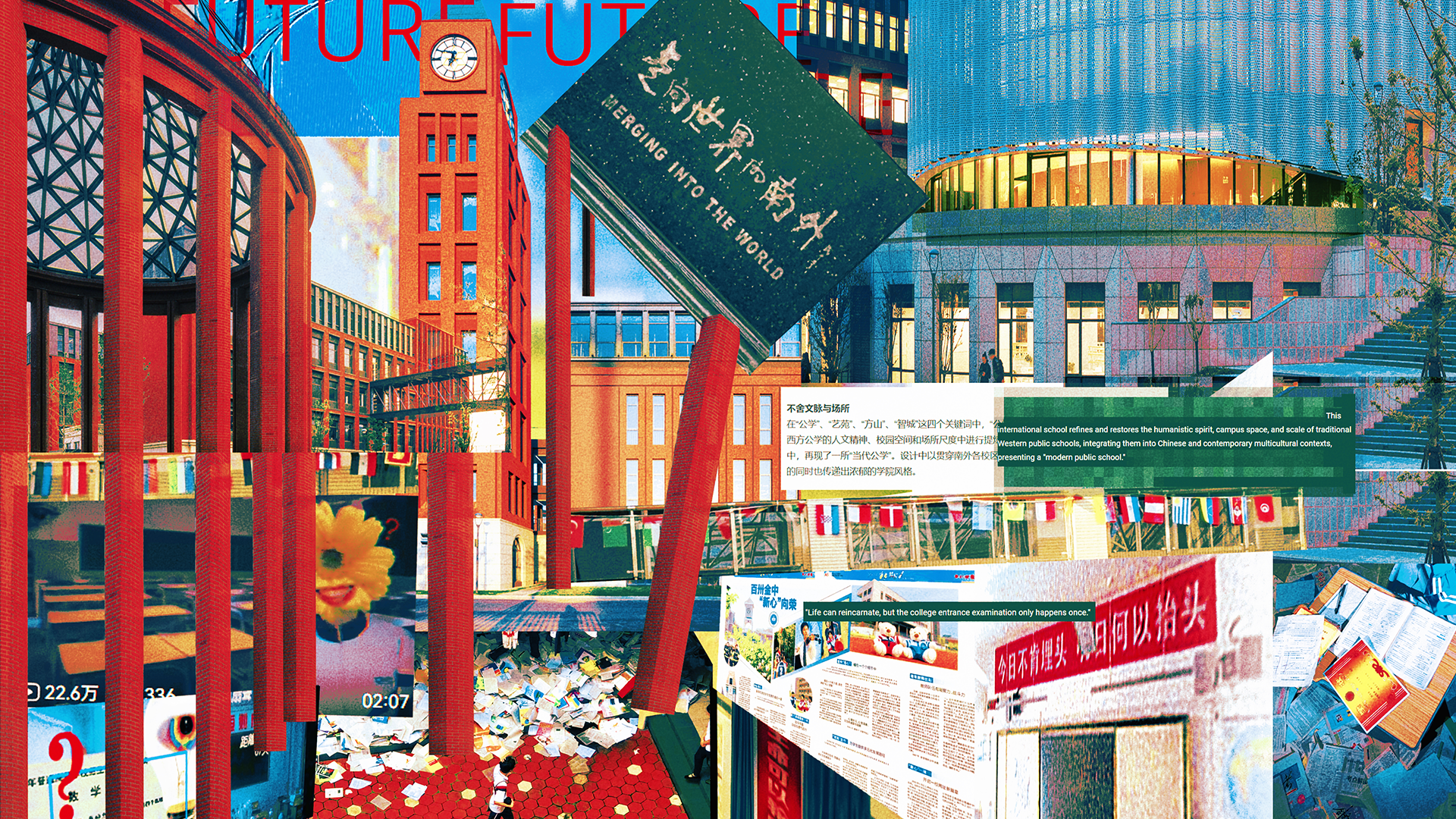
Published in Building Diversity's anthology '...but, who are we building for?' this article examines the imperative to decolonize Australian architecture through community-driven design that centers Indigenous voices and dismantles colonial power structures from the academy through to practice.
READ MORE
Masters design studio at the Melbourne School of Design investigating displacement and contested renewal around the Atherton Gardens public housing estate in Fitzroy (Ngar-Go), co-taught with Bella Singal and guided by First Nations cultural advisors.
READ MORE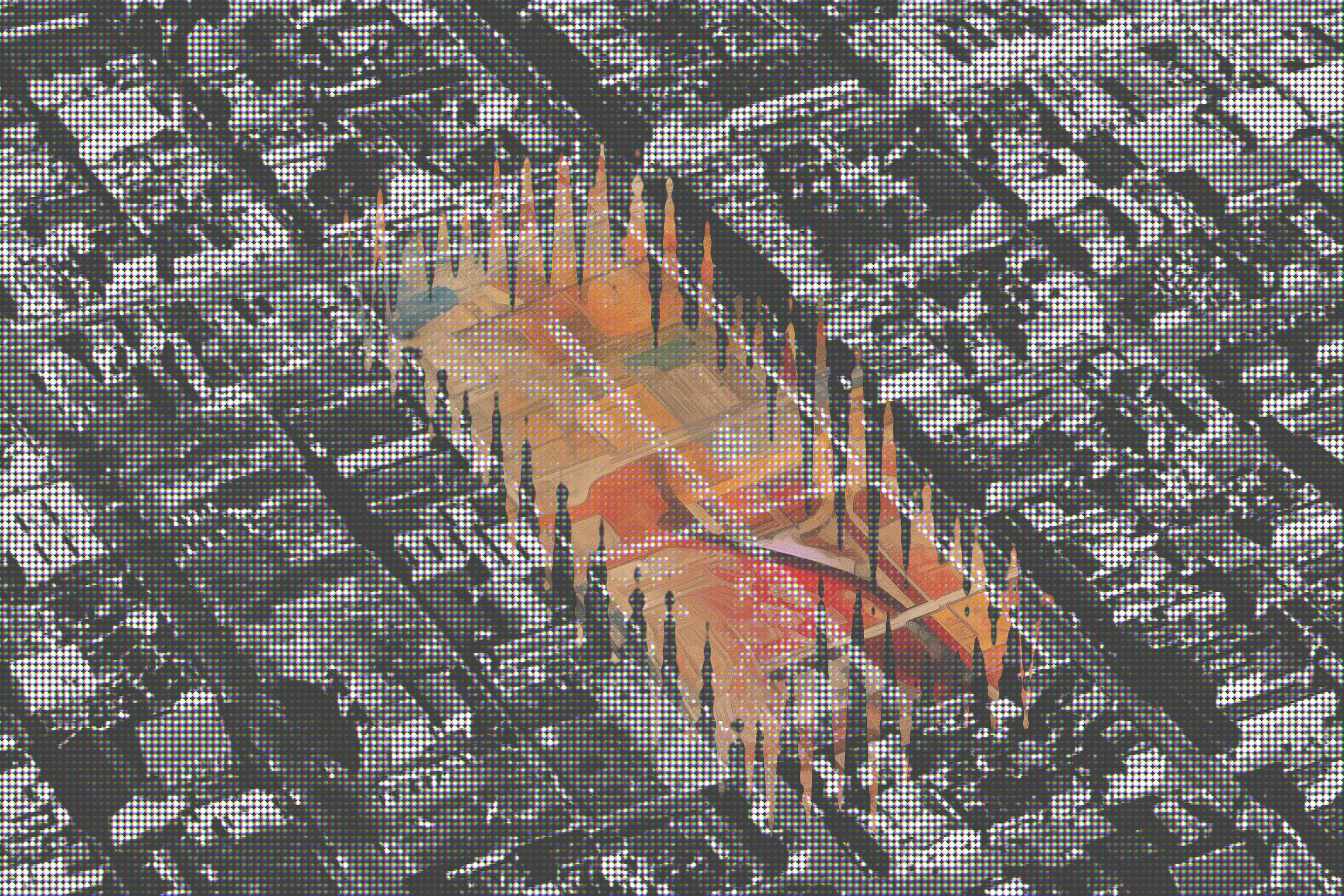
Competition entry for the New Museum of Architecture and Design in Helsinki, Finland. An international design competition to create a 10,050m² cultural institution on the Makasiiniranta waterfront.
READ MORE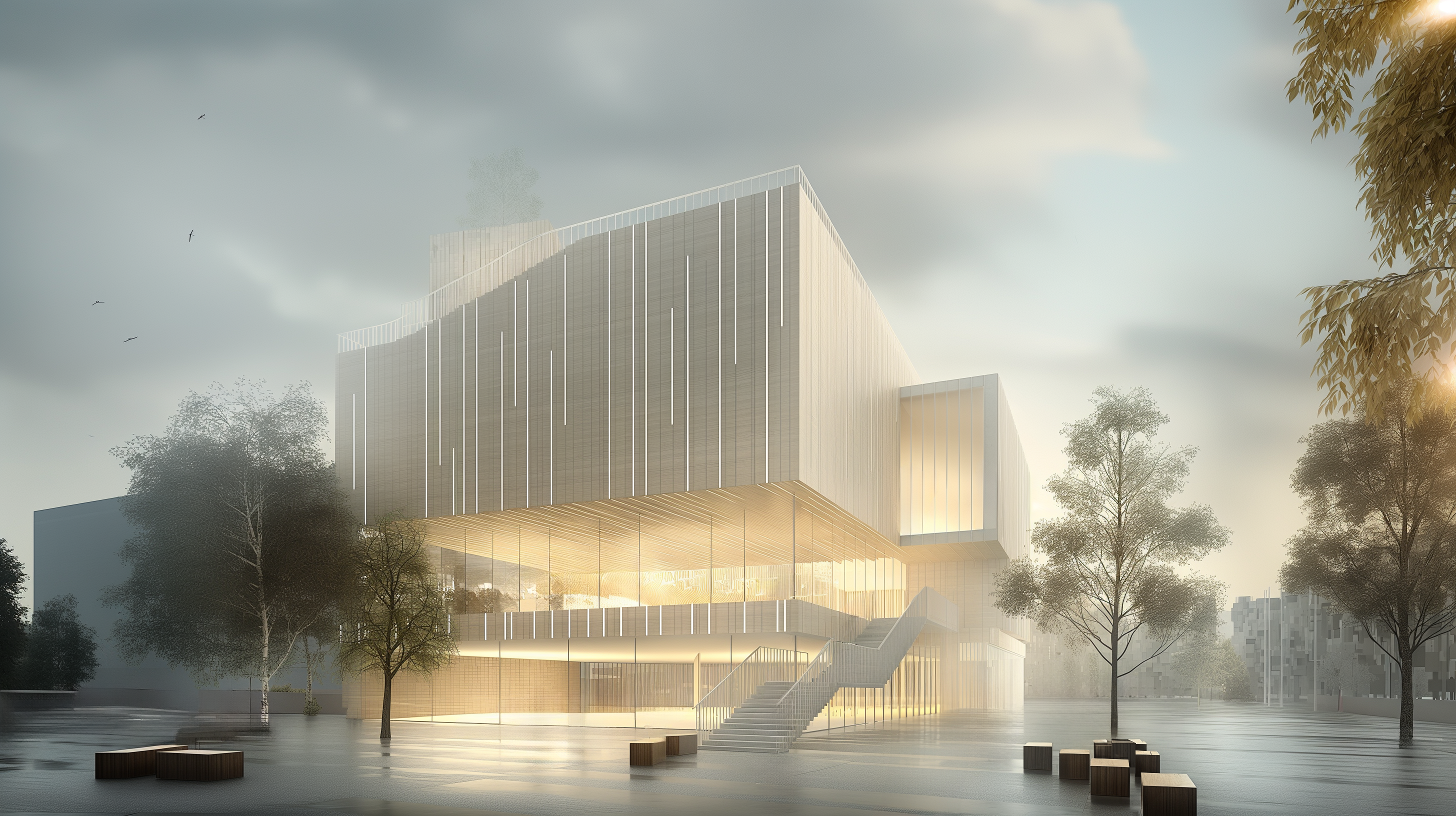
This article examines the acute and prolonged housing crisis in Australia, contextualizing it within decades of neoliberal policy, speculative market behaviour, and the systemic neglect of public housing. It critiques 'social mix' renewal programs, the demonisation of non-ownership tenures, and the framing of housing as a speculative asset rather than a human right.
READ MORE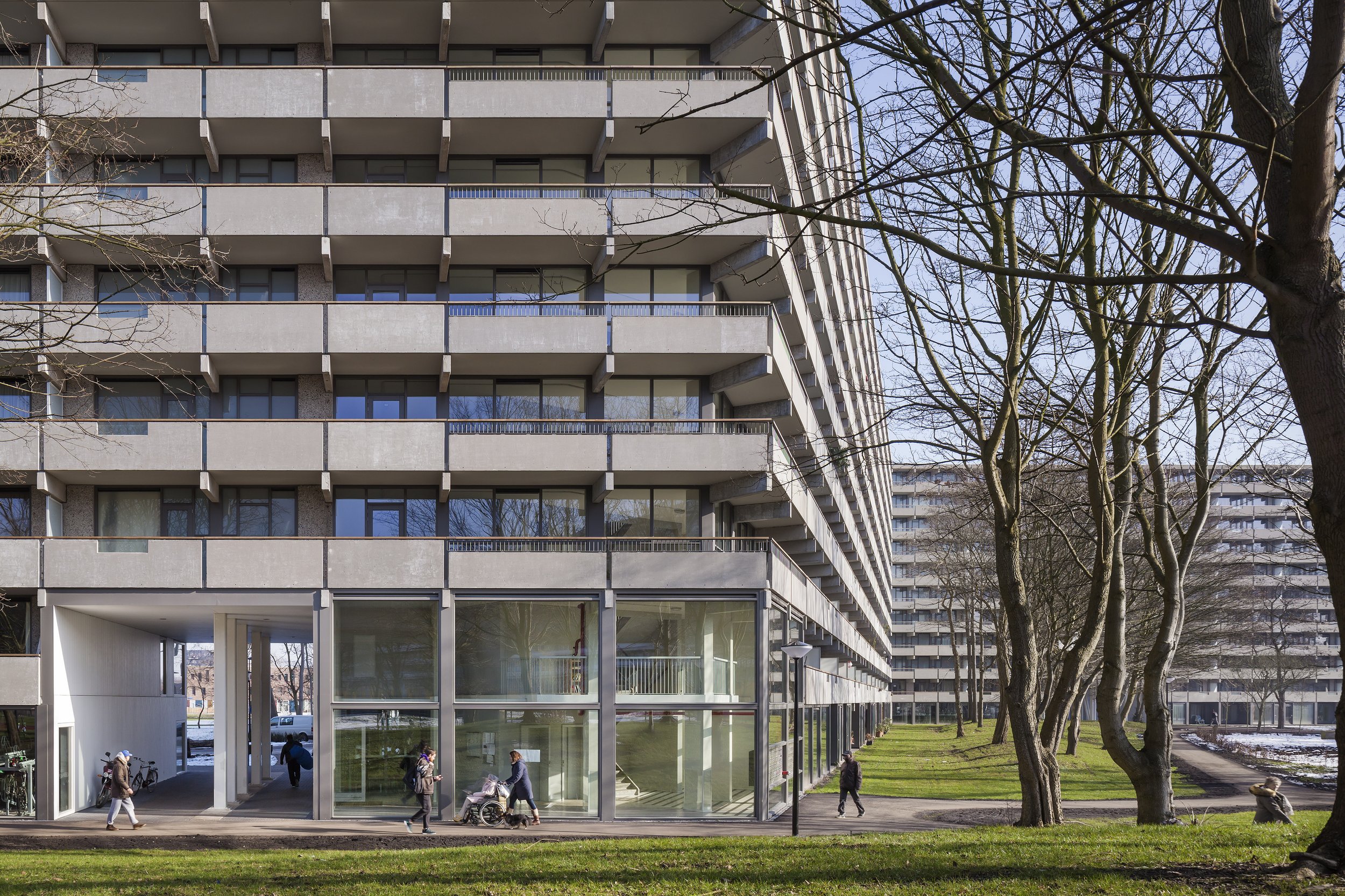
Exploring architecture's complex relationship with time and mortality through temporal conditions.
READ MORE
How cinema reveals shifting visions of future cities and postmodern architecture's abandonment of utopian thinking.
READ MORE